
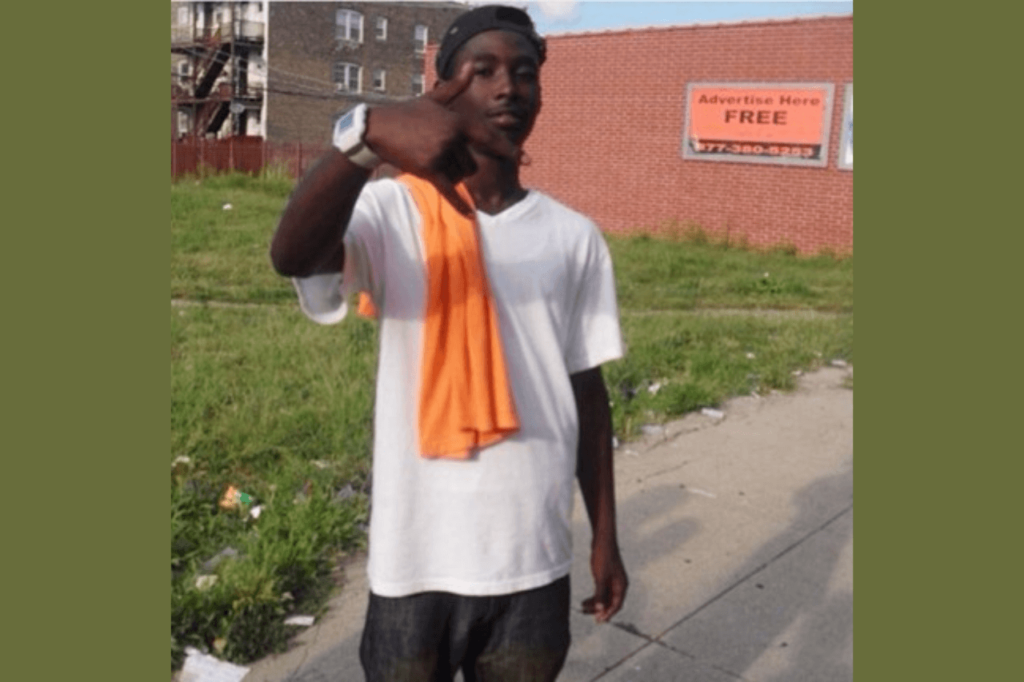
Why is O’Block called O’Block? The answer begins with Odee Perry, a 20-year-old Parkway Gardens resident whose 2011 passing transformed a neighborhood nickname into one of the most recognizable names in modern hip-hop.
The “O” in O’Block stands for Odee. After Perry was fatally shot near the Parkway Gardens housing complex on Chicago’s South Side, people from his neighborhood began referring to the area as O’Block in his memory. The name eventually traveled far beyond Chicago through drill music, social media and the rise of artists including Chief Keef and King Von.
Who was Odee Perry?
Odee Perry Jr. was born May 13, 1991, and grew up around Parkway Gardens, the privately owned apartment complex located along the 6300 and 6400 blocks of South Martin Luther King Drive. He was known within the neighborhood and was associated with the Black Disciples, one of the street organizations with a longstanding presence on Chicago’s South Side.
Perry was not a nationally known rapper, but his name became deeply connected to hip-hop after his passing. On Aug. 11, 2011, he was fatally shot near Parkway Gardens. He was 20 years old.
The circumstances surrounding the shooting, the investigation that followed and the different accounts attached to the case are examined separately in AllRapNews’ full story on the final hours of Odee Perry.
What was O’Block called before Odee Perry?
Before O’Block became the area’s dominant nickname, the section of Parkway Gardens connected to Perry was commonly called WIIIC City. The stylized name referenced the neighborhood’s location near 63rd Street and Martin Luther King Drive.
Local names often serve as markers of identity, loyalty and shared history. They may not appear on official maps, but they can become more culturally recognizable than the formal names of the streets or buildings they represent. That process accelerated in Chicago during the early 2010s as drill music gave listeners an unusually detailed window into the city’s neighborhoods.
Following Perry’s passing, WIIIC City increasingly became known as O’Block. A 2014 Chicago Sun-Times report about Parkway Gardens documented that the O referred to Perry and that the neighborhood adopted the name following his killing.
The O in O’Block is a memorial: It represents Odee Perry, whose name became permanently connected to the neighborhood after his passing.
Is O’Block the same place as Parkway Gardens?
The names are closely connected, but they are not technically interchangeable. Parkway Gardens is the official name of the apartment complex at 6330-6546 S. Martin Luther King Drive. O’Block is the informal neighborhood name associated with the complex and its surrounding section of the street.
Parkway Gardens was completed during the 1950s and designed as a modern housing development for Black Chicago residents facing restrictive housing conditions elsewhere in the city. The complex has a history that extends decades beyond drill music. A young Michelle Obama lived there with her family before they moved elsewhere on the South Side.
By the beginning of the 2010s, however, Parkway Gardens was becoming nationally associated with a different chapter of Chicago history. Drill music was moving from neighborhood videos and local platforms into mainstream hip-hop, carrying the names of individual blocks, housing complexes and street groups with it.
How drill music made O’Block internationally famous
O’Block became internationally recognizable through Chicago drill, particularly as Chief Keef’s early success directed attention toward the neighborhoods shaping the sound. Keef’s music, videos and collaborators placed Chicago’s South Side at the center of a movement that soon influenced artists across the United States, the United Kingdom and other international markets.
Fredo Santana, Prince Dre and other artists connected to the surrounding community also helped carry its identity into music. However, King Von would become the performer most publicly and consistently associated with O’Block.
Von referenced the neighborhood throughout his career, wore O’Block jewelry and built much of his public identity around his experiences there. His 2020 album, Welcome to O’Block, turned the neighborhood’s name into the title of a commercially successful rap project. Released shortly before his passing, the album reached listeners who may never have otherwise encountered the history of Parkway Gardens or Odee Perry.
The album did not create the name O’Block, but it significantly expanded its reach. By placing the neighborhood in the title, Von connected a local memorial name to an international audience. O’Block was no longer known only within Chicago or among dedicated drill listeners; it had become part of the broader language and geography of hip-hop.
Von’s rise and complicated legacy are explored further in AllRapNews’ examination of King Von and the world surrounding his music.
What does the O in O’Block mean?
The O in O’Block means Odee. It is not an abbreviation for “original,” “only” or the shape of the apartment complex, as some online explanations have suggested. The accepted origin of the name is Odee Perry.
“Block” identifies the neighborhood territory surrounding Parkway Gardens, while “O” preserves the first letter of Perry’s name. Together, the words transformed a local tribute into a name now recognized throughout rap culture.
This type of naming was not unique to O’Block. Chicago groups have renamed neighborhood areas in memory of people who passed away, creating informal memorials that keep their names in local conversation. Those names later appeared in songs, videos and online discussions, giving them visibility well beyond the blocks where they originated.
Why the name carries different meanings
To listeners outside Chicago, O’Block can sound like a rap brand, a crew name or shorthand for the setting of King Von’s music. Within the neighborhood, its history is more personal. The name began as a memorial to a young man whose passing affected the people around him.
Its meaning also reflects the consequences of violence in communities where young lives can become symbols in continuing conflicts. The worldwide popularity of drill introduced millions of listeners to those names, but it sometimes removed them from their human context. Odee Perry became famous after his passing, and many people who recognize O’Block still do not know who the O represents.
The story also intersects with the histories of several other Chicago figures. AllRapNews has documented the final hours of Gakirah “K.I.” Barnes, whose name became attached to public allegations and disputed accounts surrounding Perry’s killing. No criminal trial produced a conviction establishing responsibility for Perry’s death, making it important to distinguish investigative information and allegations from a judgment proven in court.
That broader environment became part of the history of Chicago drill—a genre that documented neighborhood conflicts while also creating life-changing opportunities for artists. The music gave young performers a route to global audiences, but its real-life associations often followed them into their careers.
Why O’Block remains important in hip-hop
O’Block remains significant because it sits at the intersection of Chicago history, neighborhood identity and one of hip-hop’s most influential movements. Chief Keef helped establish the sound that brought international attention to Chicago drill. King Von later turned O’Block into a central part of his storytelling and artistic identity. Countless songs, documentaries and online discussions followed.
The influence of Chicago drill can now be heard in rap scenes throughout New York, London and beyond. Yet the name at the center of much of that history still points back to one person and one neighborhood.
O’Block is called O’Block because it was named in memory of Odee Perry. The O means Odee, and its survival in hip-hop culture shows how a local tribute can grow into a name recognized around the world.
L’A Capone, Drill Music and the Story of Chicago’s Lost Star
The Story of NLMB: From Black P Stones to Last Gang Standing