
Hip-hop history often centers on the cities that produced its biggest commercial movements. Beyond those familiar maps are regional scenes sustained by artists, record stores, mixtape distributors and promoters whose work helped the culture travel. For New Haven rapper Big Wic, formerly known as Wicked, those roles have long overlapped.
His latest campaign brings that history into a new chapter. With “Cheesecake” leading his current promotional push and “Show Power” lined up as the follow-up, the Connecticut veteran is working to bring his music to a wider audience while preparing projects that document the road behind him.
According to his representatives, “Cheesecake” has received heavy rotation on MTV, while his broader campaign includes radio exposure on Connecticut’s Hot 93.7. His team says the music video for “Show Power” is finished and being prepared for submission to MTV. A network placement for that follow-up has not been confirmed.
Those developments provide the immediate news hook. The larger story is how an artist rooted in New Haven’s street-level music economy is approaching visibility after a career that has included recording, retail and connections across generations of East Coast rap.
From New Haven Neighborhoods to Diamond Records
Big Wic’s story begins in Newhallville and Church Street South, two New Haven neighborhoods central to his background. That local identity remains part of how he presents his music, including through songs that put Connecticut directly in their titles.
His involvement in the region’s hip-hop scene also extended into business. As the former owner and operator of Diamond Records, he helped circulate New York mixtapes across New England, according to the biography supplied by his team.
The record-store chapter offers useful context for understanding his career. Physical music retailers served as gathering places as well as sales counters. Fans discovered releases, artists sought exposure, and word traveled through conversations that could turn a local recording into a regional talking point.
For someone working on both sides of that exchange, music was also a practical business: getting a release into listeners’ hands, maintaining relationships and giving people a reason to return. Big Wic’s background connects his current rollout to that earlier model of independent promotion.
The delivery systems have changed. The challenge of earning attention remains.
An East Coast Network Built Over Time
Big Wic’s career materials list collaborations with Prodigy of Mobb Deep, Raekwon of Wu-Tang Clan, Buckshot, Keith Murray, Erick Sermon and Lumi D. His catalog also includes tracks featuring Papoose and J.R. Writer.
Those names connect his work to several strands of East Coast hip-hop. They also help explain the musical community surrounding a Connecticut artist whose career developed alongside the influence of neighboring New York.
Collaborations alone do not define an artist’s contribution. In Big Wic’s case, they sit within a broader history of recording and distribution, providing context for the relationships that accompanied his own releases.
One of the most personal connections described by his team is his relationship with the late DJ Kay Slay. Their joint project, Lost Files, forms part of that shared history. Big Wic’s representatives state that half of the project’s commercial proceeds are allocated to Kay Slay’s estate.
That project brings an archival dimension to his current story. As Big Wic pursues new releases, material connected to an earlier chapter remains part of the catalog through which listeners can explore his work. https://open.spotify.com/embed/artist/1LVLHsfqmQYGZOF03wu15d?utm_source=generator&si=dad0381fa6864dce
“Cheesecake” Opens the Next Chapter
“Cheesecake” is the centerpiece of Big Wic’s present campaign. His team describes the single and its accompanying video as reflecting personal growth and his connection to his roots, with the reported MTV exposure giving the rollout a national television component.
For a regional artist, wider exposure creates an opportunity to introduce listeners to more than one song. A new video can become an entry point into an existing catalog, particularly when the artist behind it has years of material and history that may be unfamiliar outside the home market.
That is the opportunity surrounding “Cheesecake.” Its role in the campaign extends beyond the release itself: it gives Big Wic a current focal point from which to bring attention to his earlier work and upcoming plans.
“Show Power” is intended to continue that push. With its video completed, according to his representatives, the next step is turning the planned follow-up into a public release. A confirmed release date has not yet been provided.
A Catalog That Keeps Connecticut in View
Big Wic’s discography provides several entry points into his career. Y’all Gon See includes “Wicked Intro,” “Ghetto Life,” “Dangerous Ones” featuring Papoose, and “How We Livin” featuring J.R. Writer.
His team presents God Got Me as a more introspective chapter, while Wicked New Trap Chapter extends the catalog into a contemporary trap framework. The latter includes “U Ca Tell I’m from Ct” and “Connecticut,” titles that make his regional identification explicit.
That emphasis gives the current campaign a consistent thread. As Big Wic seeks broader exposure, Connecticut remains central to the story he is telling.
For listeners encountering him through “Cheesecake,” those earlier projects offer a route into the artist behind the new promotional push. They also place his latest work within a longer career, giving the rollout a foundation beyond a single television placement or radio campaign.
Putting the History on Record
Alongside his music, Big Wic is preparing an autobiography and an accompanying documentary, according to his team. Neither project has an announced release date.
Both could provide space for details that a music video or promotional biography can only briefly address: his experiences in New Haven, the operation of Diamond Records, the relationships behind his collaborations and the evolution of his independent career.
Those subjects carry interest beyond one artist’s release schedule. Regional hip-hop histories become more useful when the people who participated in them describe the places, decisions and working relationships that shaped the music. Big Wic’s experience across recording and retail gives those forthcoming projects a clear starting point.
For now, the focus remains on “Cheesecake” and the planned arrival of “Show Power.” Together, they frame an active period for a Connecticut veteran looking to connect his established history with a new audience.
The most compelling part of that story is the continuity. The artist who helped move music through a New Haven storefront is still working to get it heard, now through radio, video and the prospect of documenting the journey himself.
More information is available at BigWic.net.
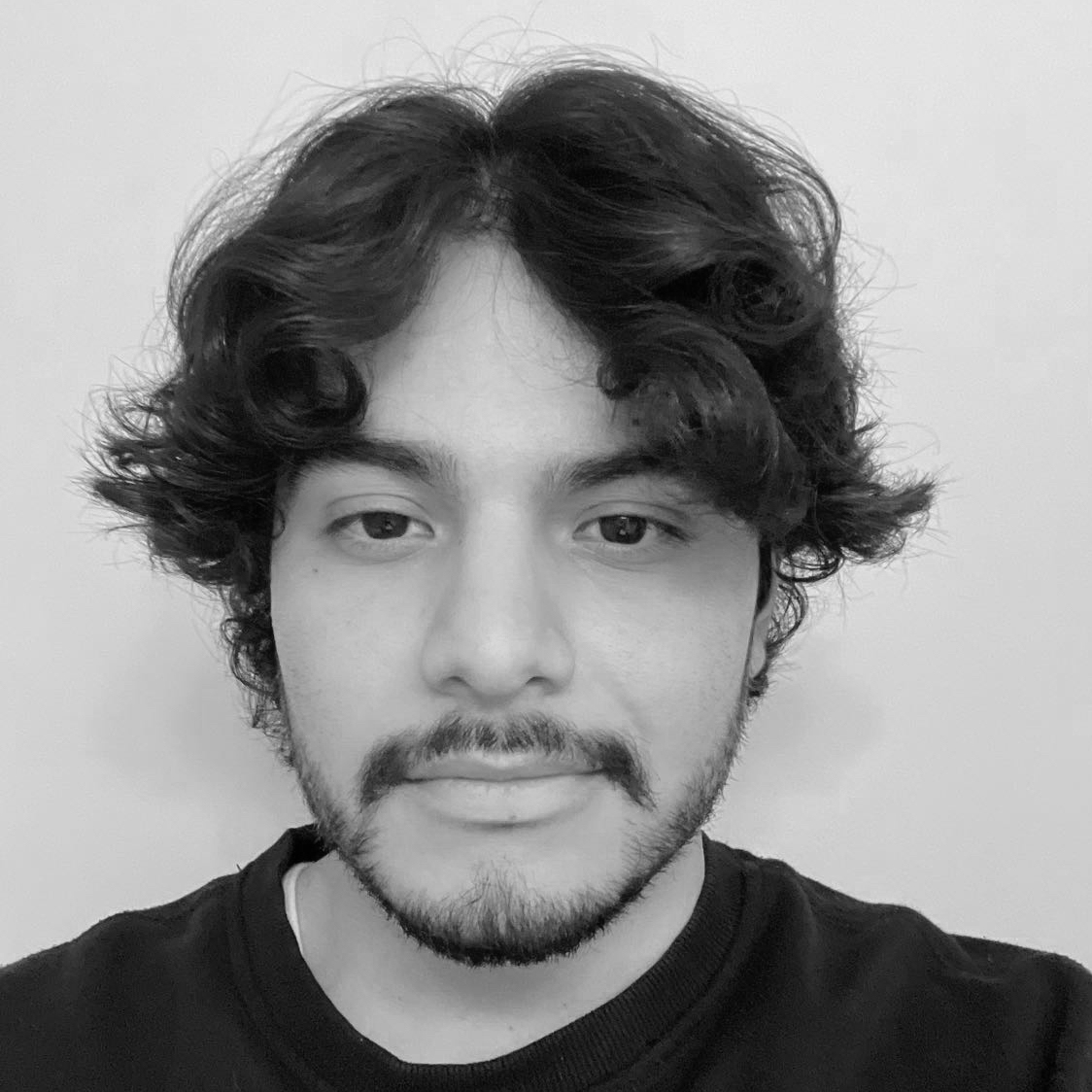
Jose Zamora is a writer and creator from Boston, MA. He has been a music nerd since middle school when he started his record collection. His passion for Hip-hop began when he discovered legends like Nas and Gang Starr and became obsessed with up-and-coming acts like Kendrick Lamar and A$AP Mob.
He is a recently graduated, up-coming journalist, passionate about music and culture. He is always keeping an eye out for the next big thing and is eager to put their talent in the spotlight for others to enjoy. He believes firmly that “Good art deserves to be talked about.”