
Before chopped and screwed became a searchable genre, before Houston’s slow-motion sound influenced Drake, Travis Scott, A$AP Rocky, film scores, streaming playlists, and late-night car culture around the world, Robert Earl Davis Jr. was building the blueprint one cassette at a time. The world knew him as DJ Screw, but in Houston he became something larger than a DJ: a sound architect, a community hub, and the quiet force behind one of hip-hop’s most original movements.
DJ Screw’s story is not simply the story of a man slowing records down. It is the story of Houston creating its own language when the national rap industry was still dominated by New York, Los Angeles, and later Atlanta. Screw took turntables, vinyl, four-track recorders, long cassette tapes, neighborhood freestyles, and slabs crawling through the Southside, then shaped them into a sound that felt humid, heavy, hypnotic, and unmistakably local.
His career was short, but the impact has lasted for decades. By the time he died in November 2000 at only 29 years old, Screw had recorded hundreds of tapes, helped launch the Screwed Up Click, turned Houston into a self-contained rap universe, and created a musical technique that still echoes through modern hip-hop.
Quick Facts
- Real name: Robert Earl Davis Jr.
- Born: July 20, 1971, in Smithville, Texas.
- Died: November 16, 2000, in Houston, Texas, at age 29.
- Known for: Creating and popularizing the chopped and screwed sound.
- Movement: Founder and central figure of the Screwed Up Click, also known as S.U.C.
- Legacy: More than 300 original mixtapes, a dedicated University of Houston archive, and a sound that still influences rap, R&B, pop, and film music.
From Smithville to Houston
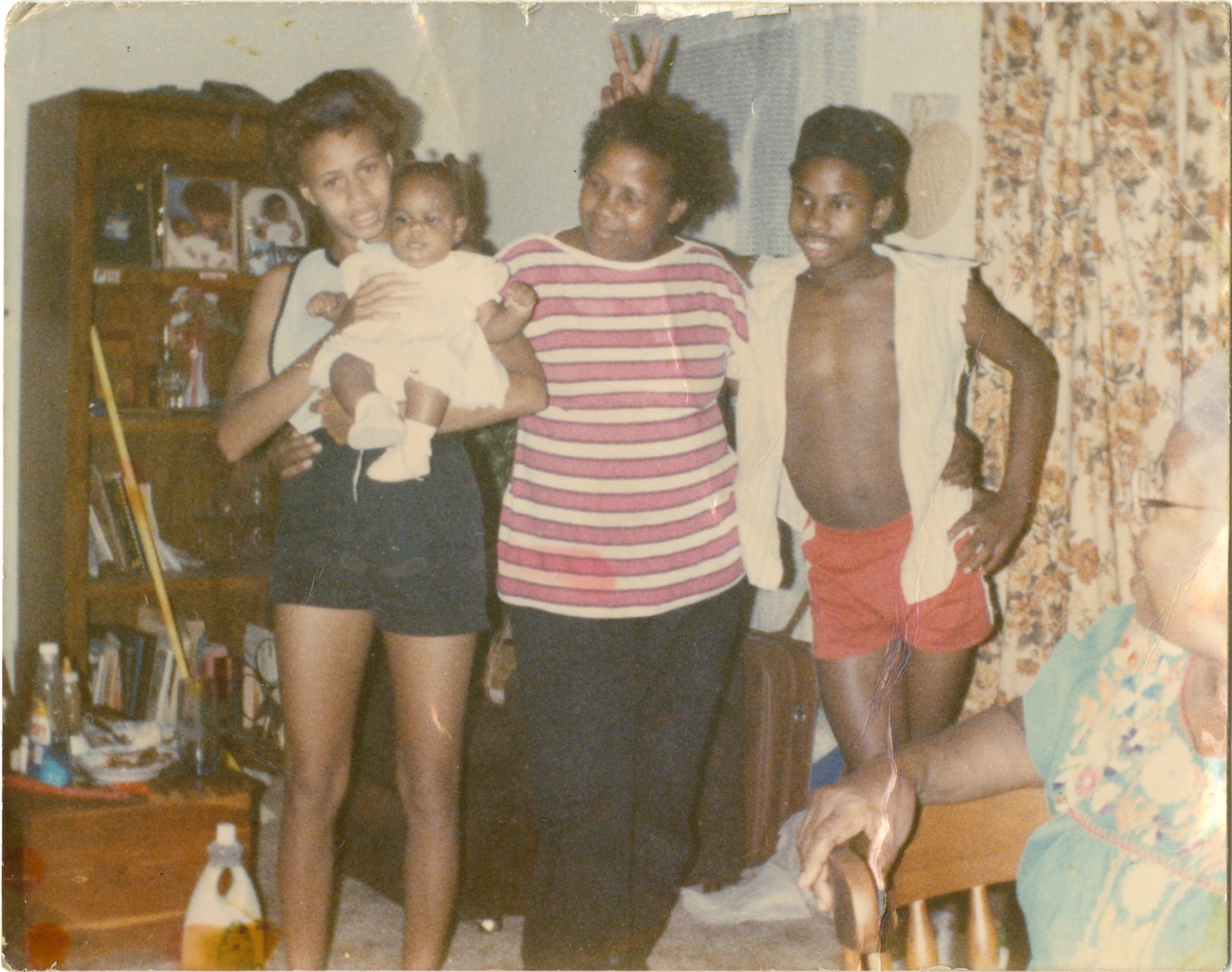
Robert Earl Davis Jr. was born in Smithville, Texas, a small town southeast of Austin, on July 20, 1971. Long before the nickname became legendary, he was a kid experimenting with records, speakers, cassette decks, and whatever equipment he could reach. His early connection to music was physical and hands-on. He was not learning from software, waveforms, or beat grids. He was touching records, dragging sounds, and hearing what happened when rhythm slowed down.
The nickname “DJ Screw” came before the world knew what “screwed music” would mean. According to accounts collected in later histories of his life, the name was connected to his habit of scratching up records he did not like. The name stuck, but the sound came later, after he moved deeper into Houston’s Southside scene and began turning a private experiment into a neighborhood movement.
Houston mattered because Houston shaped the pace. The city’s heat, highways, slab culture, slow traffic, and Southside car scene gave Screw’s sound an environment where it made perfect sense. This was not music designed for quick radio edits. It was music made for long drives, late nights, parking lots, house sessions, and people who wanted to hear every word stretch across the speakers.
The Technique: What Chopped and Screwed Actually Means
Chopped and screwed music is often described too simply as “slowed down rap,” but DJ Screw’s technique was more complicated than that. The “screwed” part came from slowing the tempo and pitch until the song felt deeper, heavier, and more spacious. The “chopped” part came from cutting phrases, repeating words, doubling moments, scratching, dropping sections back in, and making the record feel like it was bending in real time.
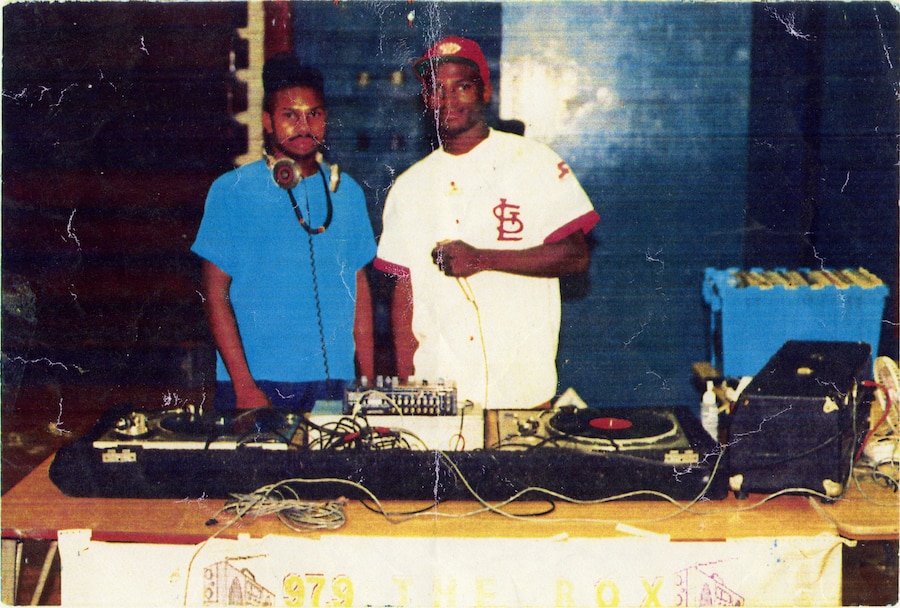
Screw worked with analog tools. He used turntables, records, mixers, cassette decks, and four-track equipment. Red Bull Music Academy’s deep profile of his process describes how he could use two copies of the same record, chop between them with the crossfader, repeat specific moments, and then run the recording through tape while slowing the pitch further. The result was not just slower music. It was a new texture, with words and drums melting into a sound that felt like Houston itself.
That analog process is important because it separated DJ Screw from later digital imitators. Today, anyone can slow a track with software, but Screw was performing the music. He was hearing the beat count in his head, working the turntables by feel, and recording long live mixes that carried mistakes, mood, timing, and personality inside them.
The Tape Hustle That Became a Houston Institution
DJ Screw’s rise happened through cassette culture. In the early 1990s, people began asking him for custom tapes. One person wanted a tape for his car, another wanted a personal mix, and soon the requests grew into a business. The tapes were not just music products. They were social currency. If you had a fresh Screw tape, you had something people wanted to hear, borrow, trade, or buy.
University of Houston’s profile on the DJ Screw archive describes cars lining up around Greenstone Street in Houston during the mid-to-late 1990s, with fans looking for homemade underground cassette tapes. That scene is one of the most important parts of his story because it shows how far Screw got without needing the traditional industry machine. No streaming platforms, no TikTok push, no major-label rollout, no algorithm. Just demand.
At one point, the demand reportedly became enormous, with the University of Houston article noting estimates of as much as $15,000 per day from cassette sales and 10,000 to 15,000 copies in a single day during peak moments. Whether viewed as street business, local media, or independent distribution, the operation showed how powerful Houston’s underground rap economy had become.
Screwed Up Records & Tapes
As the movement grew, DJ Screw’s operation became more formal. Screwed Up Records & Tapes opened in South Park on February 2, 1998, according to Red Bull Music Academy’s detailed history. The original shop became one of Houston rap’s sacred locations, and the address 7717 Cullen Boulevard still carries weight among fans of the culture.
The shop mattered because it gave the movement a physical home. Fans were not just buying music from a faceless distributor. They were connecting to a place, a neighborhood, and a community. Screwed Up Records & Tapes became a symbol of Houston’s independent rap identity, and later locations continued to preserve the legacy after Screw’s death.
University of Houston Libraries also preserves material connected to the shop and the culture around it, including a business card from the original 7717 Cullen Boulevard location and materials tied to the legendary “June 27th” release. That archive gives DJ Screw’s work historical weight beyond nostalgia. It places him inside the documented history of Houston and American music.
The Screwed Up Click
DJ Screw’s tapes became a launchpad for the Screwed Up Click, also known as S.U.C. The collective was less like a traditional rap group and more like a wide neighborhood network orbiting around Screw’s sessions. Artists such as Lil Keke, Big Hawk, Big Moe, Fat Pat, E.S.G., Big Pokey, Z-Ro, Trae Tha Truth, Lil’ Flip, Botany Boyz, C-Note, Will-Lean, and others became part of the broader Screw universe.
The S.U.C. helped Houston hear itself. Local artists could freestyle over national records, ride slowed-down beats, mention neighborhoods, talk street politics, and create moments that felt bigger than standard mixtape verses. Screw’s room became a place where rappers could become known across the city without radio gatekeepers deciding who mattered.
That is why many Houston artists describe Screw as more than a DJ. He was a platform. He was a broadcaster. He was a tastemaker. He was also a stabilizing presence. University of Houston’s profile quotes Will-Lean saying Screw brought everybody together and gave people careers. That community-building side is sometimes overlooked, but it is central to why his legacy still feels personal in Houston.
June 27th: The Freestyle That Became a Holiday
If one tape explains the mythology of DJ Screw, it is “June 27th.” Recorded on June 27, 1996, the tape was created for DeMo Sherman’s birthday and became one of the most famous releases in Screw history. University of Houston Libraries describes it as DJ Screw’s best-known mixtape, featuring a 35-minute freestyle by multiple S.U.C. members over the beat for Kris Kross’s “Da Streets Ain’t Right.”
The freestyle featured voices including DeMo, Bird, Big Pokey, Big Moe, K-Luv, Key-C, Haircut Joe, and Yungstar. It was long, loose, regional, and deeply Houston. In most cities, a 35-minute freestyle would have been too local, too slow, or too strange to become a classic. In Houston, it became scripture.
Over time, June 27 became more than a date. It became DJ Screw Day in Houston, a celebration of Screw’s influence and the chopped-and-screwed sound. The Houston Chronicle has described June 27 as an annual commemoration honoring Robert Earl Davis Jr. and the sound that shaped the city’s hip-hop identity.
“June 27th” remains one of the clearest examples of how DJ Screw turned a local birthday tape into a historic rap document. It captured the S.U.C. in motion, preserved Houston’s freestyle culture, and became one of the rare underground recordings that grew into a citywide symbol.
The Business of Screw Tapes Before Streaming
To understand DJ Screw’s genius, you have to understand that he built a direct-to-fan system before the phrase existed. Today, artists talk about owning the fan relationship, building a community, selling limited drops, and bypassing labels. Screw was doing a version of that in the 1990s with cassette tapes, phone calls, neighborhood demand, and cars lined up outside.
The tapes were personalized at first, then became event releases. Fans wanted the newest one because the newest one contained social information: who was rapping, who was mentioned, what neighborhoods were represented, what songs were being reinterpreted, and what Houston sounded like that week. That made a Screw tape feel more alive than a standard album.
This is why Screw’s operation was also a form of independent media. He did not just distribute songs. He distributed taste, status, neighborhood identity, and access. Before blogs, before playlist curators, and before rap Twitter, a Screw tape could tell Houston what mattered.
The Death of DJ Screw
DJ Screw died on November 16, 2000, at age 29. University of Houston’s profile states that the Harris County Coroner’s Office said he died of a codeine overdose with mixed drug intoxication. The same source notes that he was known to drink prescription-strength cough syrup mixed with soda, a mixture commonly called lean, syrup, or purple drank.
His death became part of the painful mythology around Houston rap because the sound he created had often been associated with lean culture, even though chopped and screwed music was bigger than that association. The tragedy was that Screw did not live to see how far his influence would travel. He died before Houston’s mid-2000s national explosion, before Drake paid homage, before Travis Scott carried Houston atmosphere to stadiums, and before slowed-down edits became a normal part of internet music culture.
The loss was felt first as a local wound. Houston had lost a figure who did more than make tapes. He gave artists a lane, fans a sound, and the city a cultural identity that could not be mistaken for anywhere else.
How the Sound Spread Beyond Houston
DJ Screw’s influence grew even larger after his death. Red Bull Music Academy traced how his sound moved through hip-hop, helped fuel Houston’s 2005 national moment, and later influenced artists including Drake and A$AP Rocky. The Guardian has also written about the wider comeback of chopped and screwed, pointing to its presence in hip-hop, pop, indie music, and even the Oscar-winning film “Moonlight.”
Drake’s “November 18th” directly drew from Houston’s chopped-and-screwed atmosphere, while Travis Scott’s “R.I.P. Screw” placed the tribute inside a modern Houston superstar’s catalog. Those moments matter because they show how Screw’s sound traveled from local cassette culture into global music without losing its city stamp.
The modern internet also changed the way younger listeners discovered Screw. Slowed-and-reverb edits on YouTube and TikTok may not always credit Houston correctly, but they owe an obvious debt to the emotional logic Screw helped pioneer: slow the music down, deepen the mood, and make familiar songs feel haunted, intimate, or cinematic.
Why DJ Screw Still Matters
DJ Screw matters because he changed how rap could feel. Hip-hop had already proven it could be aggressive, political, party-driven, poetic, and confrontational. Screw proved it could be heavy in a different way: slow, hypnotic, submerged, and emotional without needing to soften its street identity.
He also matters because his movement was rooted in place. Chopped and screwed music is not just a technique; it is Houston history. It comes from Southside neighborhoods, car culture, regional slang, freestyle sessions, independent hustle, and a city moving at its own pace. That is why Houston still protects his name so fiercely.
His archive at the University of Houston includes handwritten set lists, vinyl records, childhood photos, original audio equipment, and Screw tapes. That preservation confirms what fans already knew: DJ Screw was not just a local legend. He was an American music innovator whose work deserves to be studied, documented, and respected.
DJ Screw Timeline
What is DJ Screw’s biggest legacy?
Sources and Further Reading
Artists, publicists, and labels can submit music, interviews, and news tips to features@allrapnews.com. For general inquiries, contact info@allrapnews.com, and for advertising or partner content opportunities, email advertising@allrapnews.com.