With the rapid advancements in medical technology, the landscape of spinal treatment is evolving at an unprecedented rate. Those suffering from chronic back pain, spinal disorders, or injuries now have access to a plethora of cutting-edge treatments designed to reduce pain, improve mobility, and enhance quality of life. And for those seeking advanced spinal treatments, it’s vital to consult with a team that stays at the forefront of such innovations.
Advancements in Minimally Invasive Spine Surgery Techniques

The shift towards minimally invasive spine surgery (MISS) heralds a significant turning point in the approach to spinal operations. Traditional open surgeries, often associated with lengthy recovery times and higher risks of complications, are increasingly being replaced with techniques that make smaller incisions, reduce hospital stay, and enhance recovery speed. MISS techniques use state-of-the-art instruments and advanced imaging technologies to ensure precision and safety.
These minimally invasive approaches result in less trauma to the body’s tissues, minimizing blood loss and the overall surgical impact on the patient. By preserving muscle and surrounding structures, patients experience less postoperative pain and often require fewer medications, resulting in a smoother recovery. The aesthetic benefits shouldn’t be understated either, as smaller incisions lead to less noticeable scarring.
Surgeons specializing in MISS are trained to navigate these complex procedures, offering solutions for a range of conditions, including herniated discs, spinal deformities, and spinal stenosis. Additionally, the integration of robotic technology further enhances the surgeon’s ability to perform precise and tailored interventions. With the continual refinement of these techniques, the landscape of spinal surgery will see even fewer invasive procedures in the future.
The Role of Stem Cell Therapy in Spinal Health and Regeneration
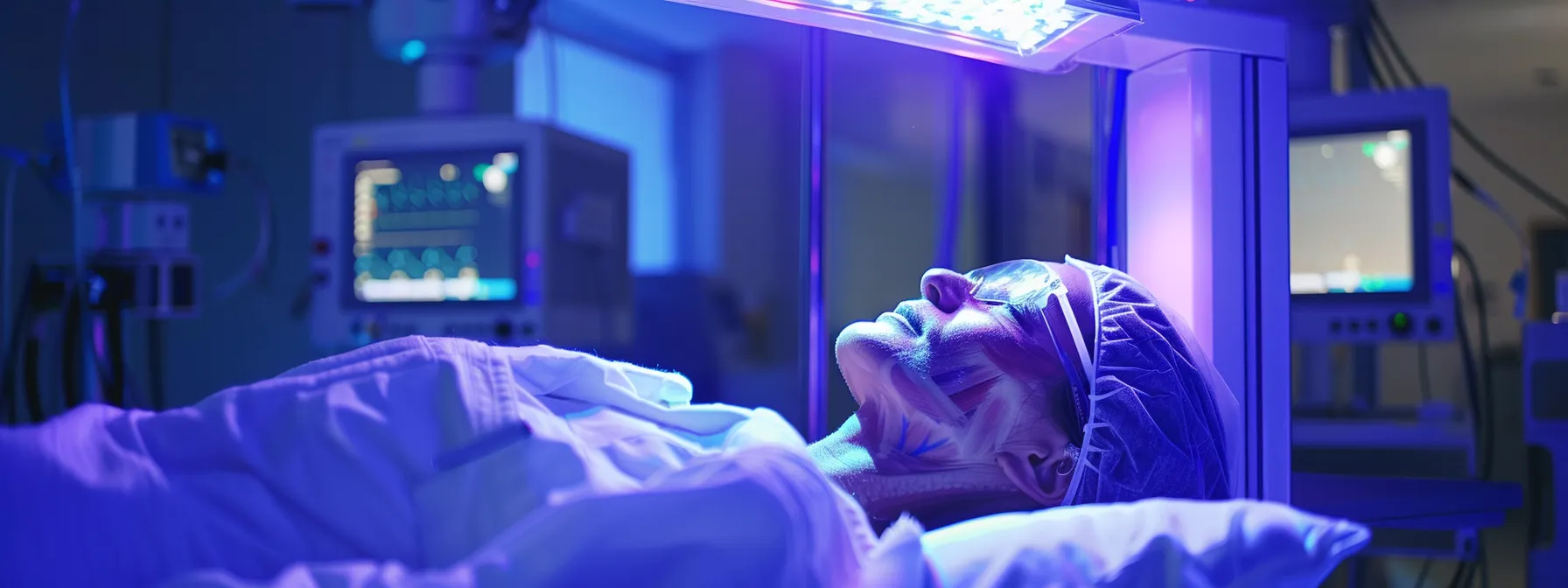
Stem cell therapy, a groundbreaking segment of regenerative medicine, is increasingly recognized for its potential in spinal health and regeneration. By harnessing the body’s innate healing mechanisms, stem cells can differentiate into various cell types, offering hope in repairing damaged tissues within the spinal column. This approach is auspicious for conditions such as degenerative disc disease, which has historically been a challenging ailment to address.
Patients seeking alternatives to traditional surgical procedures find stem cell therapy appealing, in part because the treatments are non-invasive or minimally invasive. In addition to its restorative benefits, stem cell therapy has shown potential in reducing inflammation and pain, offering a multifaceted approach to spinal care. The ongoing research and development in this field continue to reveal even broader applications and refinements in therapeutic techniques.
Clinical trials and individual case studies have provided insight into the efficacy and safety of stem cell applications. Though not a universal remedy and still considered experimental for certain spinal conditions, the successes documented to date pave the way for future developments. With stem cells, the possibilities of not just managing but truly repairing spinal damage become tangible.
Breakthroughs in Spinal Cord Stimulation for Chronic Pain Management
Another area experiencing significant innovation is spinal cord stimulation (SCS), which provides relief for patients with chronic pain. By delivering electrical pulses to the spinal cord, SCS can modulate pain signals before they reach the brain, often resulting in a substantial decrease in pain perception. For many individuals, this translates to a much-needed alternative to medication-heavy treatment plans.
Recent advances in SCS technology have improved its effectiveness, enabling adaptable frequencies and waveforms tailored to individual needs. Upgrades to device design and function enable more discreet and comfortable use, making long-term SCS treatment more manageable for patients. Importantly, these developments aim to target various types of pain, potentially benefiting a broader patient population.
SCS therapy begins with a trial period during which patients can assess the device’s efficacy before committing to a permanent implant. This trial phase is critical, as it allows both the patient and the healthcare team to determine the suitability and optimal settings for pain management. Successful trials indicate a high likelihood of enduring pain relief, which can be life-changing for those who have exhausted other treatment options.
The advancements in spinal care—from minimally invasive surgeries and stem cell therapies to pioneering pain management and rehabilitation technologies—herald a new era of hope for patients with spinal ailments. While each patient’s journey is unique, these innovations offer a multitude of options once considered futuristic that are now within reach, enhancing lives and reshaping the future of spinal health.